
DBA degree benefits are the most practical concern for a working professional. DBA is a prestigious professional learning program. The senior managerial DBA course demands intensive research and study, as outlined in its curriculum, which requires a serious time commitment alongside financial investment.
Worry not here! DBA degree benefits are numerous, and the degree helps enhance professionals’ skills in multifaceted ways. Now you may want to review the skill benefits and their business impacts to map your skill enhancement journey with DBA. In short, the prime question is whyshould professionals pursue a DBA Degree? Read on for a detailed discussion…
1. DBA Degree Benefits: Stronger Leadership and Management Skills
Leadership requires more than managing employees and completing projects. Senior professionals must understand complex topics like business operations, assess risks. Also, they should be able to make decisions that influence organisational performance.
A DBA program helps learners develop these abilities through advanced management concepts, research and practical business applications.The program introduces several important areas of leadership, including:
- Strategic Management: Understand how to develop long-term business strategies and achieve organisational goals.
- Organisational Behaviour: Learn how employee behaviour, workplace culture and team dynamics influence business performance.
- Corporate Governance: Understand business accountability, ethical leadership and responsible decision-making.
- Performance Management: Learn to assess organisational performance and identify areas that require improvement.
These business skills can help professionals handle complex responsibilities. DBA Professionals can apply their learning to their existing roles, and enjoy exclusive DBA Salary and Career Prospects. They can also use their research findings to improve workplace practices, which is one of the premium DBA Degree Benefits.
2. The Degree Strengthens Strategic Thinking and Decision-Making Abilities
Business leaders regularly face decisions that influence their organisations. Some decisions involve financial investments. Others concern market expansion, employee performance or operational changes.
These decisions are the outcome of careful analysis rather than guesswork. One of the important DBA degree benefits is the development of analytical and strategic thinking abilities.
The program encourages learners to examine business situations from different perspectives. It also teaches them to use research findings and relevant business data before reaching conclusions. During the course learning process, learners may explore:
- Forecasting and market analysis of a business and its landscape.
- Risk assessment and management of a business investment.
- Financial planning and resource allocation for a business.
- Competitive analysis and business positioning.
- Data-driven decision-making for a business’s sustenance or growth.
- Long-term organisational planning for business expansion.
A DBA also introduces learners to research methodologies. These methods help them collect information, analyse evidence and evaluate business problems – one of the best DBA Degree Benefits.
How does this DBA knowledge help at work?
Consider a business owner planning to enter a new market. The decision involves several factors, including customer demand, competition, investment and operational costs.
A professional with advanced research and analytical skills can assess these factors before making a practical decision.
This ability to make informed decisions can strengthen professional credibility and leadership effectiveness.
3. A DBA Degree Opens Opportunities for Career Advancement
Professional growth many a times demands demonstration of real-life expertise beyond their current job responsibilities from senior managers. A DBA course expertise can support this ambition by adding advanced academic knowledge to existing industry experience. But how a DBA Degree Boosts Career Growth?
DBA Career Opportunities for Working Professionals
DBA qualification can strengthen a professional’s profile when they belong to senior management and leadership positions. It may also help experienced individuals explore new career directions. Some career opportunities include:
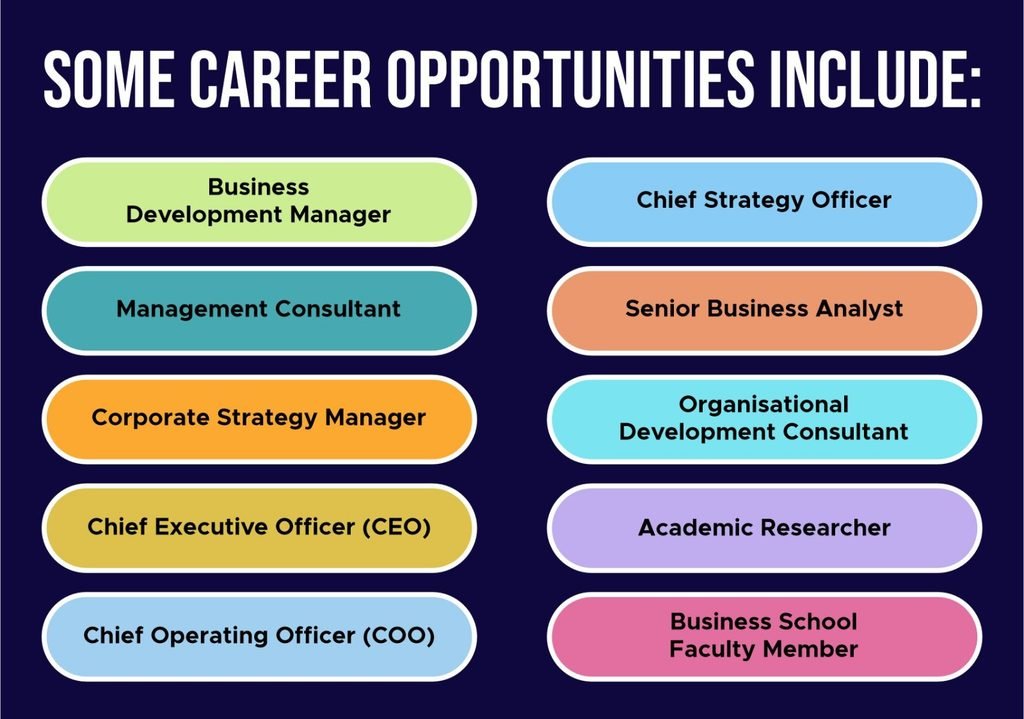
- Business Development Manager.
- Management Consultant.
- Corporate Strategy Manager.
- Chief Executive Officer (CEO).
- Chief Operating Officer (COO).
- Chief Strategy Officer.
- Senior Business Analyst.
- Organisational Development Consultant.
- Academic Researcher.
- Business School Faculty Member.
However, a DBA qualification does not automatically guarantee a promotion or a particular job title. Career advancement also depends on professional experience, industry knowledge, performance and organisational requirements.
The degree can provide an additional qualification that supports career progression.For working professionals, this becomes particularly valuable when they want to move from operational responsibilities to strategic positions.
For instance, an experienced operations manager may want to become a business operations director. A DBA can help develop the strategic knowledge required for such responsibilities.
As one of the significant DBA degree benefits, it can also support professionals who want to transition into consulting, research or higher education.
Read Also:- Online Degrees in 2026: Take the Next Step in Your Career
4. The Degree Helps You Become an Industry Expert and Thought Leader
Professional experience churns valuable industry knowledge for the DBA holders. However, establishing themselves as recognised experts requires the ability to analyse industry developments and share meaningful insights. A DBA program provides ample opportunities to develop this expertise.
Research forms an important part of doctoral-level business education, and is a part of the benefits of a Doctor of Business Administration Degree. Learners investigate specific business problems, examine existing research and develop their own findings. DBA pursuant may select research areas related to their professional interests, such as:
- Digital transformation and business innovation.
- Human resource management.
- Financial management and corporate strategy planning.
- Marketing and consumer behaviour analysis.
- Supply chain and operations management.
- Organisational leadership.
- Artificial intelligence in business management.
Working on a specialised research topic helps professionals develop deeper knowledge of their chosen field.They can use this knowledge to contribute to industry discussions and professional platforms. A DBA course can help professionals build thought leadership through the following processes:
- Publishing research papers and industry articles.
- Participating in business conferences and seminars.
- Sharing research-based insights with professional communities.
- Conducting workshops and knowledge-sharing sessions.
- Advising organisations on specialised business challenges.
- Contributing to academic and industry discussions.

For consultants, entrepreneurs, and senior executives, a DBA expertise can create new professional opportunities. One of the DBA Degree benefits is, it can also help them build stronger professional networks and establish greater credibility within their industries.
5. A DBA Prepares Professionals to Solve Real-World Business Challenges
Business challenges hardly have straightforward solutions. Organisations must keep a close check on changing customer expectations, market competition, technological disruptions, and operational challenges.
A DBA program focuses on connecting theoretical knowledge with practical business situations. This is one of the most valuable benefits of a DBA degree for experienced professionals.
Unlike programs that concentrate mainly on theoretical learning, a DBA encourages learners to investigate actual business problems. They can use their professional experiences as a starting point for research.
Some common areas of applied DBA business research include:
- Business Process Improvement – Professionals can examine existing processes and identify ways to improve productivity, reduce costs and increase operational efficiency.
- Employee Performance and Retention: Research can help organisations understand workplace satisfaction, employee engagement and factors influencing staff turnover.
- Digital Business Transformation: Professionals can investigate how technology adoption affects business operations, customer experience and organisational performance.
- Financial Management: A DBA research project may examine investment decisions, financial planning, business sustainability and risk management.
- Customer Relationship Management: Learners can explore customer expectations, loyalty programs and strategies for improving customer relationships.
The practical nature of doctoral research allows DBA learners to connect academic knowledge with professional responsibilities. This approach makes the DBA particularly relevant to professionals who want to create measurable improvements in their workplaces.
Read Also:- Online DBA Course: Use applied Research for Business growth
6. A DBA Expands Professional Networks and Builds Academic Recognition
Professional relationships play an important role in career development. They create opportunities for collaboration, knowledge sharing, and business growth.
A DBA program can help professionals expand their networks by connecting them with fellow learners, faculty members, researchers, and experienced business professionals.
These interactions can introduce learners to different business perspectives and management practices.
For working professionals, this exposure can be valuable and is one of passive DBA Degree Benefits.

A learner from the finance sector may gain insights from someone working in technology. Similarly, an entrepreneur may learn about organisational management from a senior corporate executive.A DBA program can support professional networking through the following practices:
- Interaction with experienced faculty members and academic researchers.
- Knowledge-sharing opportunities with fellow professionals.
- Collaborative research projects.
- Academic conferences and professional events.
- Discussions on contemporary business challenges.
- Exposure to different industries and management practices.
Apart from networking, a DBA program training provides doctoral-level academic recognition, subject to the program’s institutional recognition and applicable requirements.This qualification can strengthen a professional’s academic profile as well as professional expertise to face professional/business challenges.
It may also support individuals who want to explore opportunities in teaching, academic research, corporate training, or consulting.However, professionals should carefully examine the awarding institution, accreditation, recognition, and program structure before enrolling.
Academic recognition matters when learners plan to use their qualifications for further research, employment or teaching opportunities.
Conclusion
The Degree of a Doctor of Business Administration is more than an additional professional qualification. It offers an opportunity to strengthen professional knowledge, develop leadership capabilities, and explore advanced business research as DBA Degree Benefits.
The six DBA degree benefits discussed here highlight how this qualification can contribute to long-term professional development.
- From strategic decision-making to industry expertise, a DBA can help experienced professionals prepare for greater responsibilities.
- It can also support entrepreneurs, consultants and corporate managers who want to address business challenges through research-based solutions.
- However, the value of a DBA depends on your career objectives, professional experience and the quality of the program you choose.
Before enrolling, consider the curriculum, research requirements, faculty expertise, awarding institution and academic recognition.If your goal is to combine professional experience with advanced business knowledge, a DBA could be a valuable next step.
Take the Next Step Towards Advanced Business Leadership with IIBM
IIBM Institute of Business Management offers DBA programs structured for working professionals who are planning to develop advanced management knowledge and research capabilities.
Whether you are an entrepreneur, corporate manager, consultant, or senior executive, an appropriate DBA program can support your long-term professional ambitions.
Visit IIBM today to learn more about the DBA program, curriculum, admission requirements and enrolment process.
FAQs
1. What Are the Major Benefits of Earning A DBA Degree?
A DBA degree strengthens leadership, strategic thinking power, research, and decision-making skills. It also opens opportunities for senior management and consulting roles.
2. How Does A DBA Degree Help in Career Advancement?
A DBA enhances professional credibility and prepares experienced professionals for executive positions, leadership roles, academic careers, and business consulting.
3. Is A DBA Degree Beneficial for Working Professionals?
Yes. A DBA helps working professionals upgrade their management knowledge, solve business challenges, and balance advanced education with career commitments.
4. Can A DBA Degree Help Increase Earning Potential?
A DBA can enhance earning opportunities by preparing professionals for senior leadership, executive management, consulting, and specialized advisory roles.
5. How Does A DBA Degree Differ from An MBA In Terms of Career Benefits?
An MBA builds management fundamentals, while a DBA develops advanced research, strategic leadership, and problem-solving skills for experienced professionals. A DBA degree is a better option for Senior management professionals for career advancement.